An update to this afternoon's schedule: Binance's phase one withdrawals are open. Binance's status page recorded the planned withdrawals beginning shortly after 13:00 WIB, and the Bitcoin network was the first batch to open, according to Binance's own post. This is no longer a schedule. It is a reopening in progress, phased and network by network.
The figure that changed: 90% to 95%
Binance now says it has replaced 95% of the roughly $6.3 billion stolen, up from 90% in the previous day's update. In Reuters' reporting, Binance said it spent about $6 billion of company money buying replacement tokens. The remaining 5% consists of less liquid assets, and Binance says sourcing them in the required amounts could take longer.
Where did the money come from? Part of it from Binance's $1 billion SAFU fund, part from its futures insurance fund and corporate treasury. Co-CEO Yi He said 50% of the SAFU fund was used, and the fund will be replenished to about $1 billion. Binance also repeated its standing promise: the loss sits with the company, not with users. Total internal funds set aside come to about $6.34 billion, and around $3 billion of the stolen assets had been located or frozen with partners as of Friday.
What has not changed
Phase one still covers only the 15 networks announced this afternoon. Other networks and assets follow once their own security checks are done, with no date announced. The queue warning still applies too: in the first hours, delays and failed withdrawals remain possible, and Binance's official advice is unchanged, try again later.
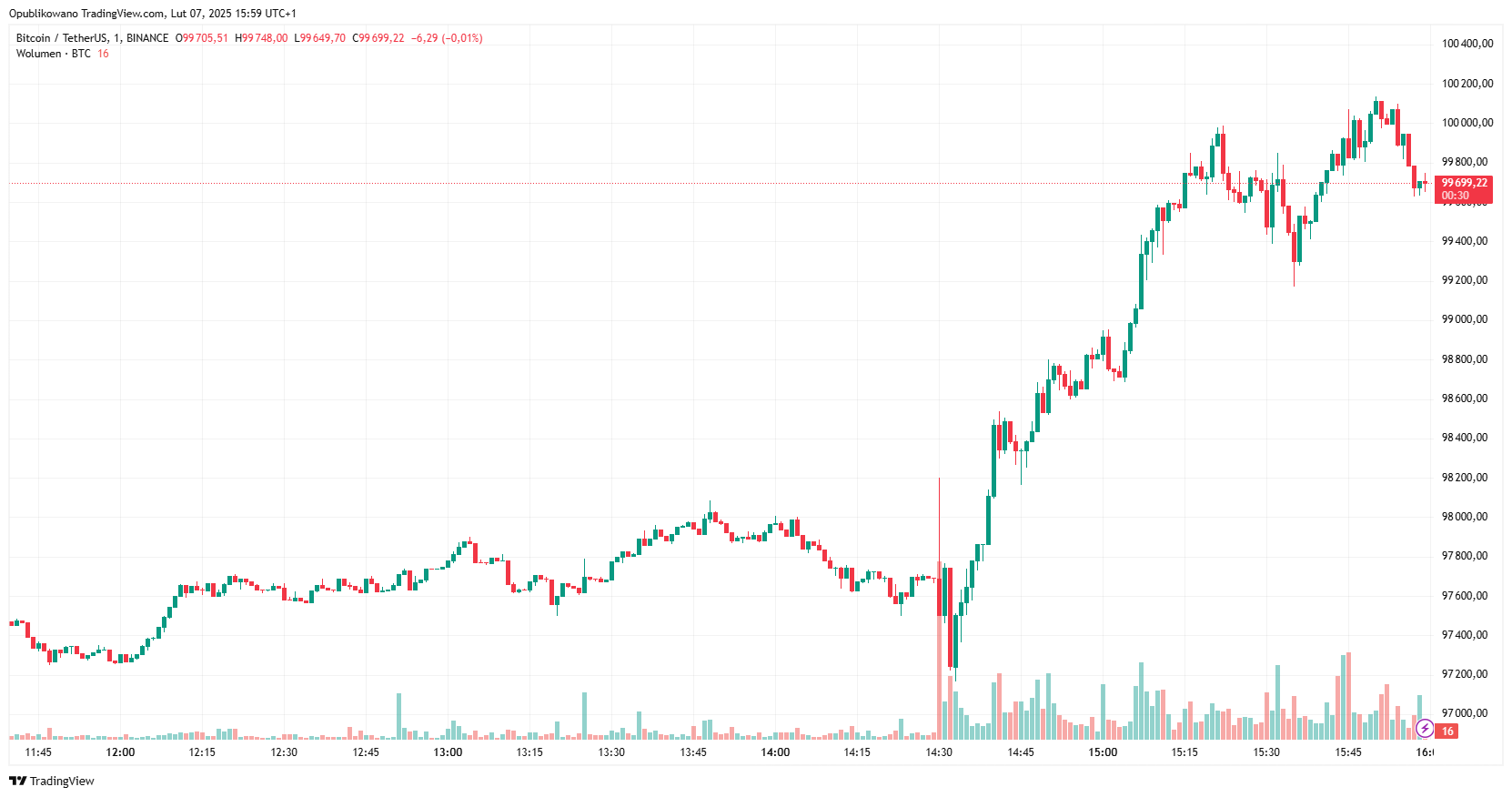
Still to come: the full cryptographic proof of reserves promised for early this week, plus a date for the next phase. Bitcoin itself traded around $78,000 at 14:00 WIB, barely moved from its midday position, so the market is reading this reopening as access restored, not as good news to celebrate. The phase one schedule and its 15 networks are in this afternoon's article, and the FBI's attribution of the attackers is in this article.
Sources: Reuters (Nov 1, 2026), TradingView/CryptoBriefing (Nov 1, 2026), Binance recovery update. Figures are snapshots at writing time, November 1, 2026 afternoon WIB, and can change.

Writing about crypto and Super Intelligence: market news, new projects, Super Intelligence models, and early opportunities like airdrops and testnets. Every piece starts from the official announcement, with the costs worked out up front.